![Plogging the Box Flat [mine disaster] Memorial](https://plogvlog.com/wp-content/uploads/2025/08/24-may-25-box-flat-memorial-l-cover.jpg?w=1024)
In this episode, Trinity Anderson (producer and narrator of Plog Vlog) takes a brief detour from her mother’s diaries to honour a tragedy that shaped Queensland’s history: the Box Flat mine disaster of 1972. As Trinity reflects on the 17 lives lost underground, she also reveals another entry from her late mother Liz’s journals (this one written just after Liz turned 16). It’s a story of fear, defiance, and a desperate escape into the unknown. If you’re following Liz’s unfolding journey, or just discovering Plog Vlog for the first time, this episode offers both solemn remembrance and raw emotion.
Category: Plogging
-
Quirky Prop
I’ve only ever wanted to be a quirky prop in eco-focused videos. Just the guy picking up rubbish while the story unfolds around him.
And I think I’ve finally found someone who can make that a reality.
We’ve been creating videos together for a while now, and she’s finally agreed to take on a bigger role behind the scenes.
It’s taken some persuasion (okay, maybe a bit of emotional blackmail) but she’s in.
Let’s see where she takes things.
-
Plogging Kingston Pioneer Cemetery
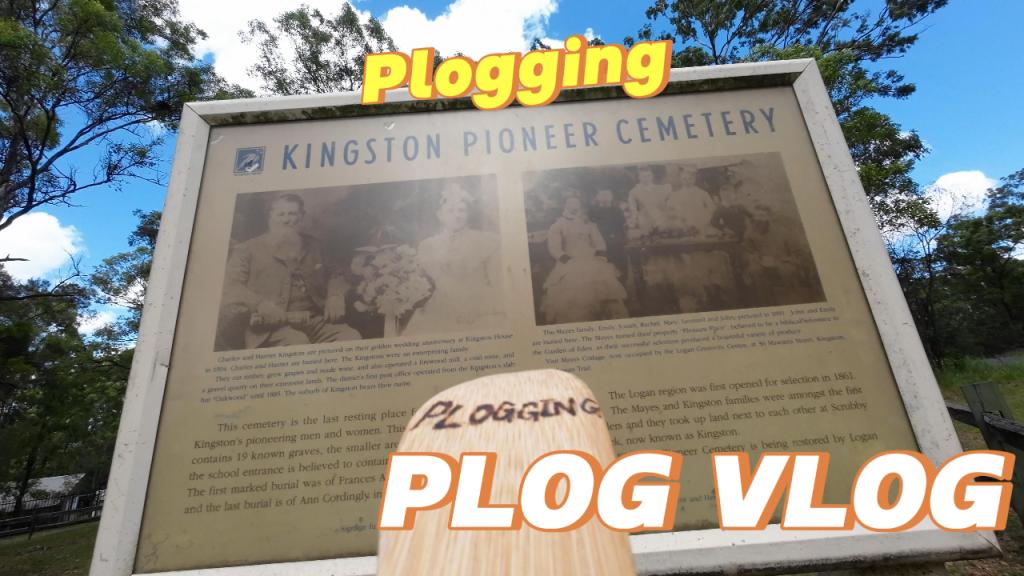
My wife and I recently plogged Kingston Pioneer Cemetery.
The place isn’t loud about its history. It rests behind a quiet fence, tucked between suburbia and industry, where lives once lived are marked by headstones that lean a little now… some broken, some unreadable, some gone altogether. There’s peace there; not manufactured stillness, but the deep calm that comes from being left mostly alone.
It’s the kind of place where wind through trees keeps company with memory, where roots trace the outlines of stories attached to fading names.
We brought a couple of buckets and plogged gently, trying not to disturb anything that should be left undisturbed. We didn’t come to clean the place up entirely; we just came to leave it a little better than we found it. A few pieces of plastic removed from around the resting places of people who never knew plastic.
Some places need noise to be remembered; others just need someone to notice. I feel most at home in the quiet places.
Here’s the video we made while plogging this quiet place.
-
The Double Toxicity of Litter
Plogging, to me, is about removing the toxic potential of litter. That’s why I focus on picking up plastics—because they’re doubly dangerous. Plastics not only contain harmful chemicals; they also act like sponges, soaking up toxins from their surroundings and releasing them as they break down. They are physical poisons.
But litter has another kind of toxicity: a psychological one.
I recently returned from ten days in New Zealand to find our suburb strewn with rubbish. My wife and I usually plog three times a week, but in our absence, the area had visibly deteriorated. I’m not someone who usually feels down, but I found it depressing. I wanted to go back to New Zealand.
Instead, I’m going out this morning for an extra plogging session. I refuse to live in a pigsty that’s toxic in both body and mind.
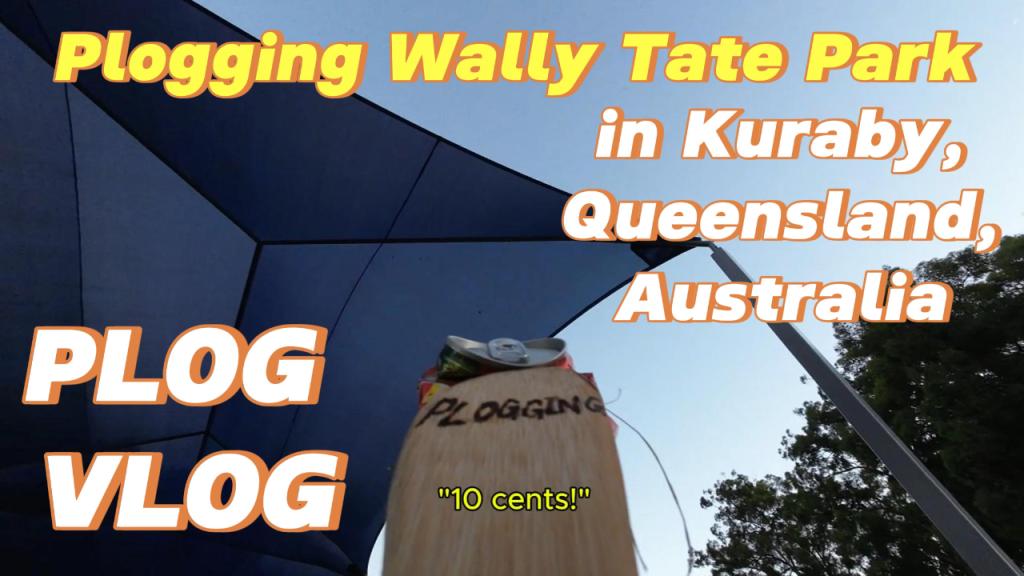
This park is one of our regular plogging spots in our suburb. I’m going to plog there this morning.
-
First Plog Back
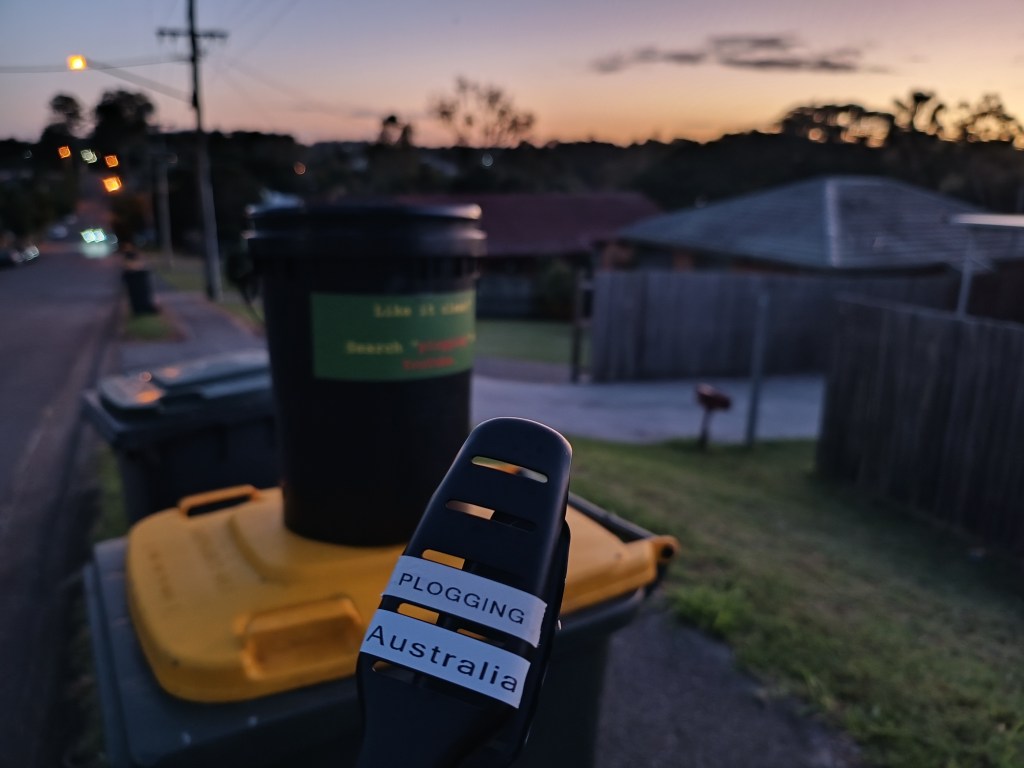
This morning was my first plog since coming back to Australia. I walked the route I’d jogged yesterday and collected three 20L buckets full of rubbish (mostly plastics). It was hard not to compare Australia’s trashiness to New Zealand’s pristineness.
The hardest bit was that I had to leave a lot of rubbish because I just couldn’t find space for it; whereas, everywhere I plogged in New Zealand was left completely trash free.
-
Plogging Agency
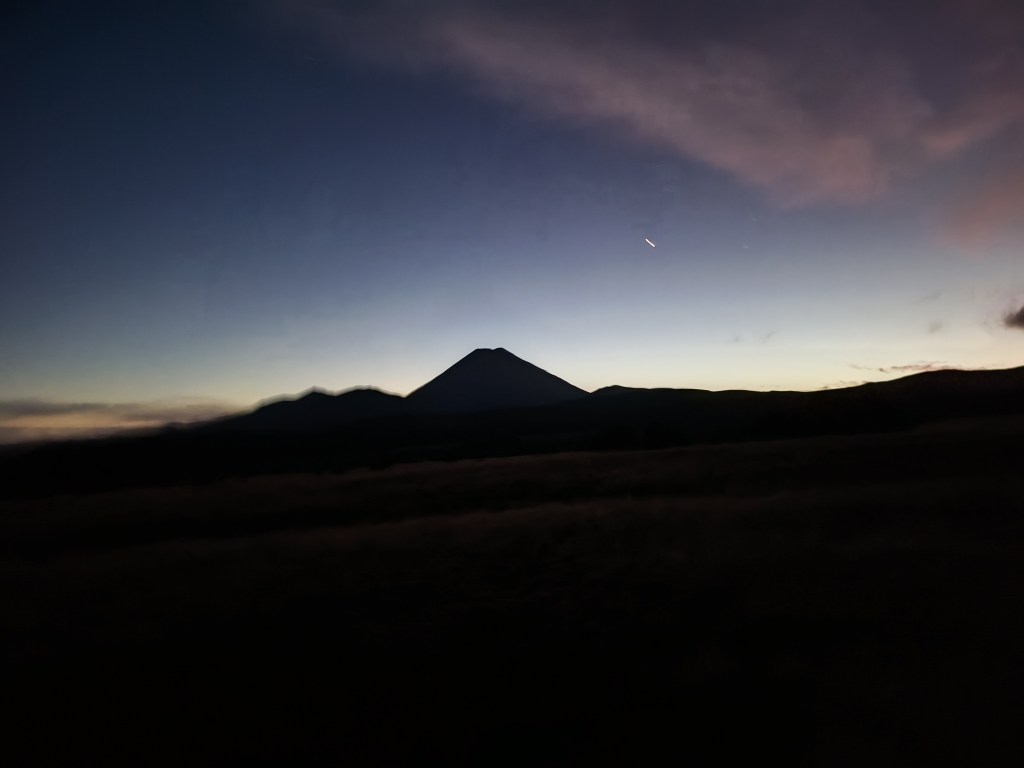
Here in New Zealand, I feel like my plogging is making a sustainable difference. Even in the urban areas, it seems that I’m collecting litter faster than it’s being littered. Along the walking trails, this is even more so. I recently plogged trails around Whakapapa and only found a handful of rubbish.
It’s harder to feel this way in Australia. Plog an urban area one day and you’ll be able to fill a couple of buckets the next day. Even hiking trails are often so littered that it’s untenable for a solo plogger to keep them clean. I’m having to travel further and further from Aussie’s civilisation to regain that feeling that I’m making a sustainable difference when I plog.
I suspect that this is due to increasing population density. If there’s only one person littering in a square kilometre, then one person can compensate. Once the density goes up, so does the number of people littering.
Research backs this up. Studies have shown a strong link between population density and littering rates. One paper published in the Journal of Environmental Psychology found that areas with higher foot traffic tend to have more litter, not only because of the volume of people but because visible litter triggers more littering behaviour. It’s a feedback loop. Psychologists call it “social norm theory”: if people see rubbish, they unconsciously feel permission to add to it.
This puts ploggers in a peculiar position. We’re not just removing litter; we’re trying to reset the norms. A visibly clean trail subtly says, “This is cared for. Respect it.” But that quiet message gets drowned out when the scale becomes too large. It’s like trying to mop the floor while the tap is still running.
That’s why feeling like you’re making a sustainable difference matters. It creates what I think of as plogging agency: that sense of individual effectiveness that fuels the will to keep going. Without it, the work can start to feel like a symbolic gesture rather than a transformative one. That’s how I feel when I’m plogging Australian urban areas.
In New Zealand, I still have that sense of agency. It’s not just the lower population; it’s the public mindset. There’s a cultural pride in keeping the environment pristine, something that’s woven into the national identity. Litter still appears, but there’s a shared expectation that it shouldn’t. In contrast, many Australian urban environments have become places where litter is tolerated, even expected.
The good news? Agency can be built. Community clean-ups, council support, signage, bins, and (most importantly) visibility. When people see someone picking up rubbish, it challenges the passive norm and creates a new active one. One plogger can start a ripple. Enough ripples become a current. Rubbish Club Australia is creating a current!
And sometimes, that’s all we need, a little push, perhaps a little company, to believe that our small actions aren’t futile.
-
Mental Impacts of Living in Littered Environments
In the Plog Vlogs, I’ve often discussed the positive impacts of plogging on mental wellbeing. This morning, I decided to do a bit of reading about the negative impacts of living in littered environments.
I found that there’s quite a bit of research on it. People living in areas with visible litter report higher levels of stress, lower feelings of safety, and a diminished sense of community pride. It doesn’t just make a place look bad; it makes people feel bad. It erodes a person’s sense of control over their environment, even subtly shifting how they view their own worth. A phrase that stuck with me was “ambient degradation.” It’s soft, creeping rot; it’s not loud or catastrophic, but slowly grinding down the spirit.
Reading this reinforced something I’ve already felt through experience. When I plog a place, it’s not just the path or park that changes; it’s me too. It’s not just me. I’ve seen it in other ploggers. There’s something profound in the simple act of making a place better.
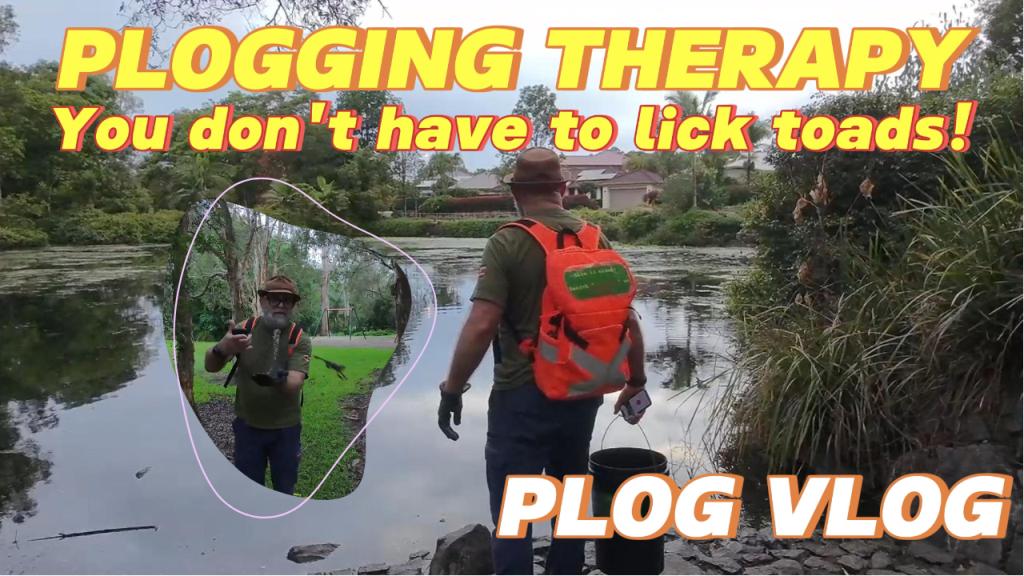
Watch as my mental wellbeing changes visibly as I plog this beautiful park.
This morning’s reading reminded me of a trail I walked last week. It was beautiful, but marred by scattered plastics and the aftermath of a nearby storm drain overflow. I nearly didn’t stop to plog it. I was tired. But I’m glad I did. What I remember now isn’t the mess I found, but the sense of wellbeing and purpose that I felt afterwards. Littered environments may contribute to a feeling of helplessness, but the act of cleaning them counteracts it. That’s agency. That’s where the shift happens.
I’ve started noticing how my perception of places is coloured by the potential I see in them. Plogging seems to shine a little light into the shadows, suggesting that restoration is possible. Maybe that’s why so many people watch videos of transformations, from homes being renovated to beaches being cleaned. There’s comfort in seeing something go from broken to better.
The human mind is a wonderful thing. It is so adaptable, yet so sensitive to what surrounds it. We take in our surroundings through all senses; even the things we stop noticing are still shaping us. Maybe the key isn’t just to avoid degradation, but to lean into small acts of restoration?
That’s what I’ve learned today. Litter isn’t just an eyesore; it’s a psychological burden. Every bit I pick up cleans more than just the landscape; it cleanses my mind.
-
The Audience for Plogging Videos
I woke this morning with the realisation that I have become the audience for my plogging videos. There was a time when I made videos to promote plogging, to try to instil positive change. I’ve moved away from that goal towards making a difference by leaving places I visit cleaner than I found them.
The videos, they have become a record for me of those places and a mechanism for learning. Rather than just visit, pick up a bit of litter, and leave, I also do some research about the location. During the editing process, I get to re-experience both the visual beauty of the locations and the things that I’ve learned about them. I’m the one who watches my videos the most, so I’ve decided to make those videos for me. I am my audience.
This video from a few months ago was made to appeal to the average Australian, to try to make the word ‘plogging’ better known.
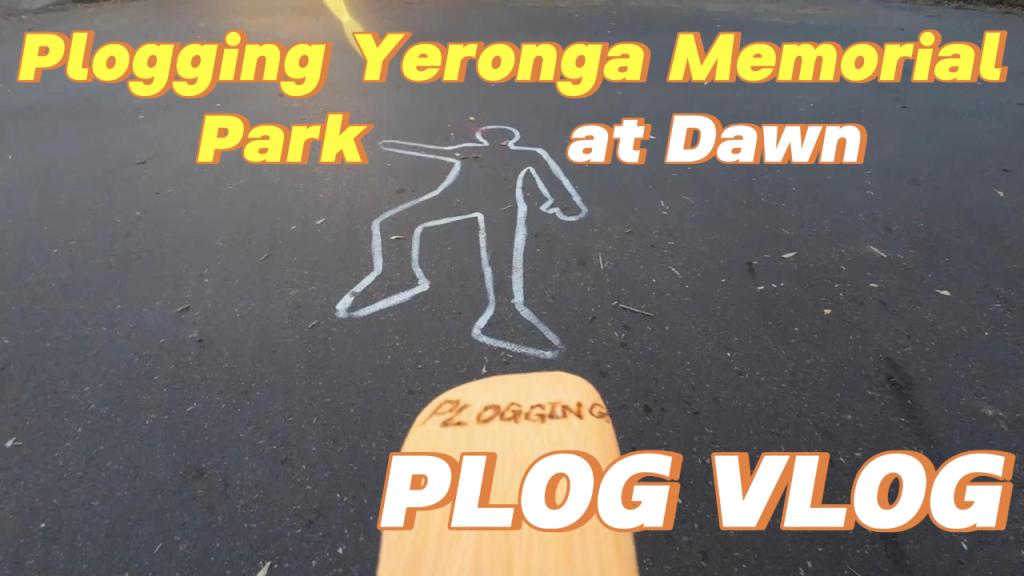
This recent video was made about a place. I didn’t realise it at the time but the creation of this video was more for me than for anyone else.
-
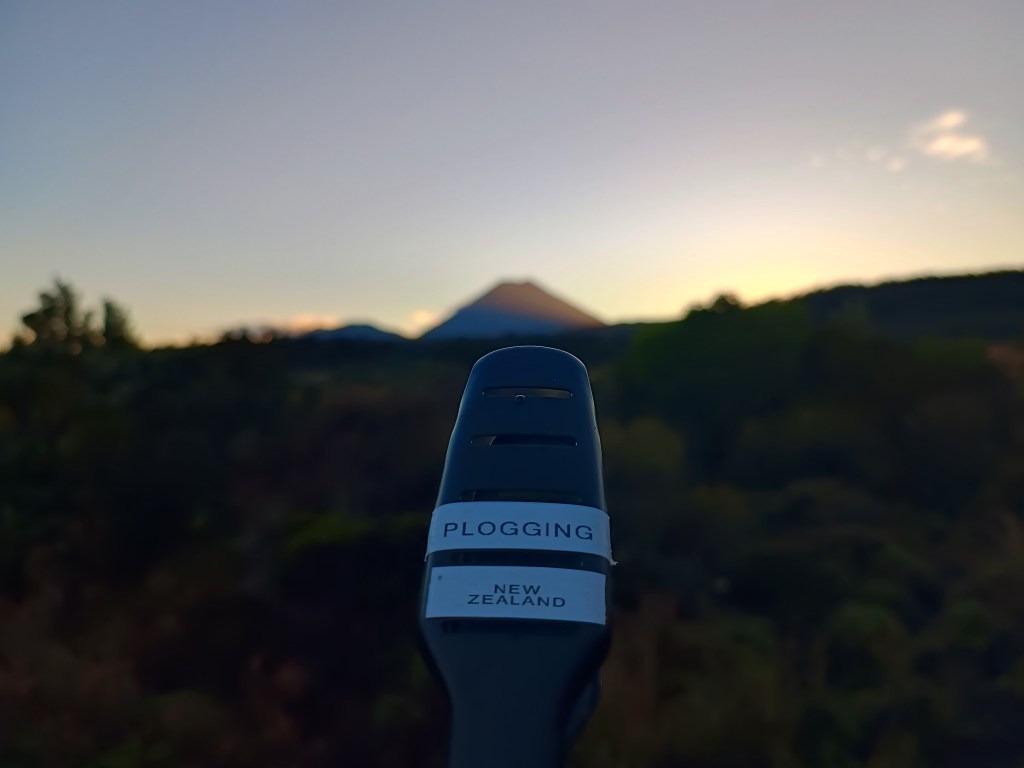
A Little Message to Fellow Ploggers
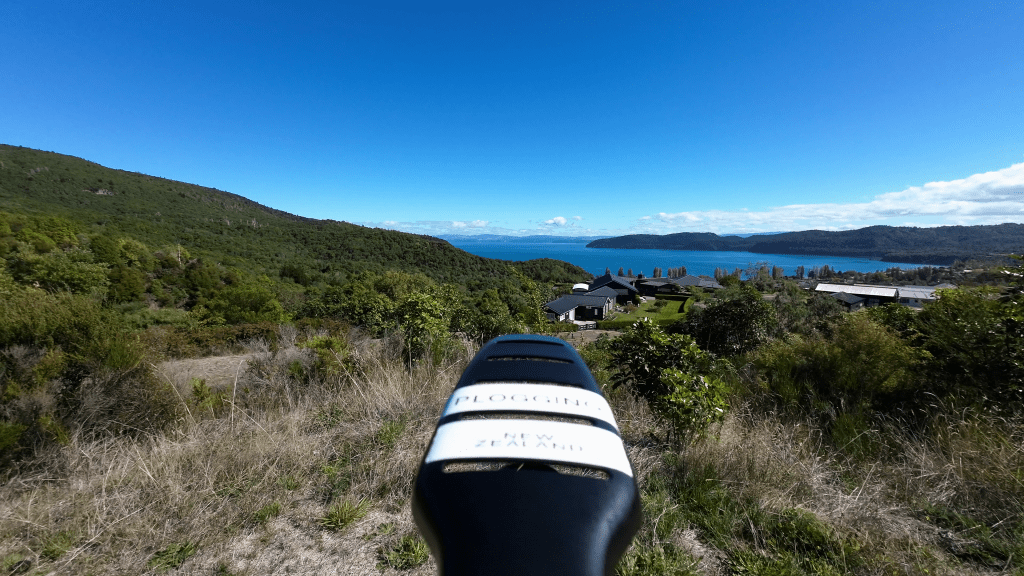
A memory from my recent time in the New Zealand city of Taupō prompted me to send this email:
Dear Taupō District Council
I travel around picking up litter in beautiful places and I recently visited Taupō. Firstly, congratulations on how litter-free your beautiful city is.
While going around Taupō, I saw people in volunteer vests picking up litter. They looked like they were enjoying themselves; one was even dancing! I’d appreciate it if you could send my complements to them for the great work that they are doing.
-
Plog Vlog Log of Plogs
Out plogging in New Zealand, I wished for other ploggers to follow after me when I return to Australia. I can’t keep a plogger’s eye on all these beautiful places, but I can identify them as oases worth plogging. I’ve decided to share my GPS records for these places so that others can follow and help keep them pristine.
Plogging the Turitea Pā Lookout
Plogging the Te Arapiki a Tāne Pathway
Plogging Whakapapa
 Plog Vlog