In the Plog Vlogs, I’ve often discussed the positive impacts of plogging on mental wellbeing. This morning, I decided to do a bit of reading about the negative impacts of living in littered environments.
I found that there’s quite a bit of research on it. People living in areas with visible litter report higher levels of stress, lower feelings of safety, and a diminished sense of community pride. It doesn’t just make a place look bad; it makes people feel bad. It erodes a person’s sense of control over their environment, even subtly shifting how they view their own worth. A phrase that stuck with me was “ambient degradation.” It’s soft, creeping rot; it’s not loud or catastrophic, but slowly grinding down the spirit.
Reading this reinforced something I’ve already felt through experience. When I plog a place, it’s not just the path or park that changes; it’s me too. It’s not just me. I’ve seen it in other ploggers. There’s something profound in the simple act of making a place better.
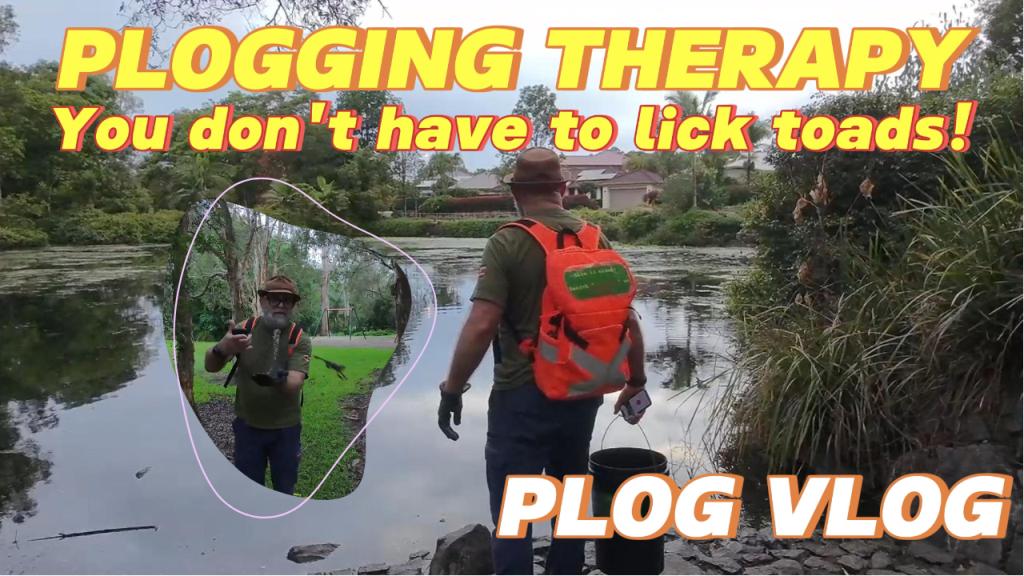
Watch as my mental wellbeing changes visibly as I plog this beautiful park.
This morning’s reading reminded me of a trail I walked last week. It was beautiful, but marred by scattered plastics and the aftermath of a nearby storm drain overflow. I nearly didn’t stop to plog it. I was tired. But I’m glad I did. What I remember now isn’t the mess I found, but the sense of wellbeing and purpose that I felt afterwards. Littered environments may contribute to a feeling of helplessness, but the act of cleaning them counteracts it. That’s agency. That’s where the shift happens.
I’ve started noticing how my perception of places is coloured by the potential I see in them. Plogging seems to shine a little light into the shadows, suggesting that restoration is possible. Maybe that’s why so many people watch videos of transformations, from homes being renovated to beaches being cleaned. There’s comfort in seeing something go from broken to better.
The human mind is a wonderful thing. It is so adaptable, yet so sensitive to what surrounds it. We take in our surroundings through all senses; even the things we stop noticing are still shaping us. Maybe the key isn’t just to avoid degradation, but to lean into small acts of restoration?
That’s what I’ve learned today. Litter isn’t just an eyesore; it’s a psychological burden. Every bit I pick up cleans more than just the landscape; it cleanses my mind.

 Plog Vlog